How to spot fake news
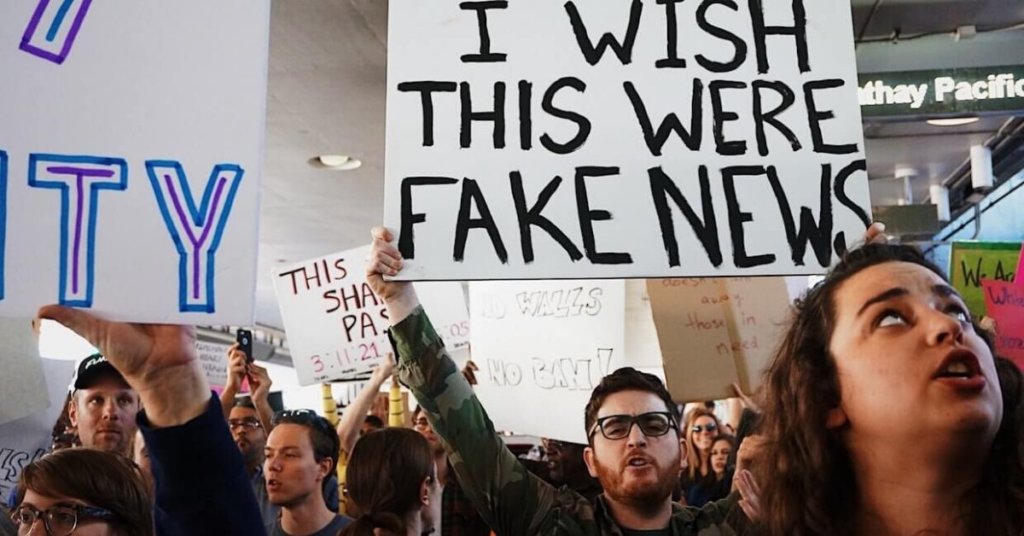
Unsplash / Kayla Velasquez
It is well documented that human belief systems are malleable and our understanding of what is going on around us can be shaped by inputs that we hear over and over again. This is the philosophy of fake news campaigns: If someone hears a false story enough times, they will begin to think it’s true. But before you believe a story, and especially before you share a story, take a moment to verify its reliability with one (or all!) of these methods.
1. Check your source
Sometimes news sources will directly say “fantasy site” or “parody news site” on their homepage.
Other times, fake news sites try to copy the URL of real news websites. For example, if the website claims to be ABC News, a quick Google search will show that the real URL for ABC is ABCnews.go.com. Other, similar URLs are probably a fake copy.
You can also Google the name of a website or social media page and see if it appears on any lists of debunked news sites.
2. Don’t just read the headline
It is very common for websites and social media posts to use sensational headlines that aren’t entirely true, just to get you to click on the message. Reading the whole article will provide important context. After watching the full video, or reading the full article, you may find that the headline was taken out of context or exaggerated.
3. Research the author
If the author is not directly credited in an article, that is not a good sign. You can often perform a quick search for an author and discover a biography or some social media accounts. Ask yourself, does this person have the authority to write about this topic? For example, an article about coronavirus written by an emergency room doctor is more reliable than an article on the same topic written by a Twitter influencer.
4. Research the references
Research-based articles will include links to references, footnotes, or works cited page. Sometimes there are links, but when you follow them, they don’t support the article’s claim. Other times, you follow links and find that they don’t exist, or they go to unreliable sources.